NICOLAES MAES (Dordrecht 1634 – 1693 Amsterdam)
Nicolaes Maes (Dordrecht 1634 – 1693 Amsterdam)
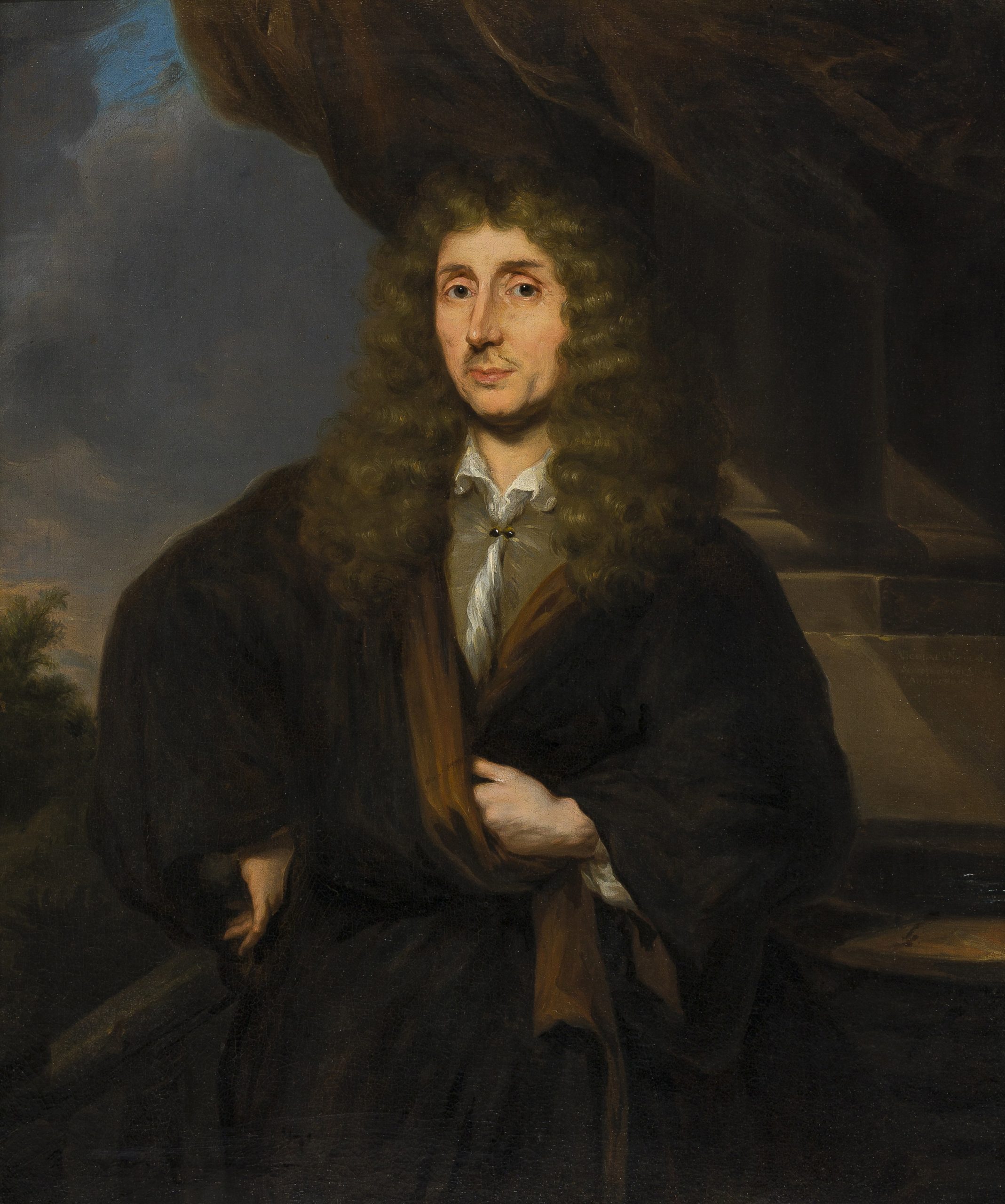
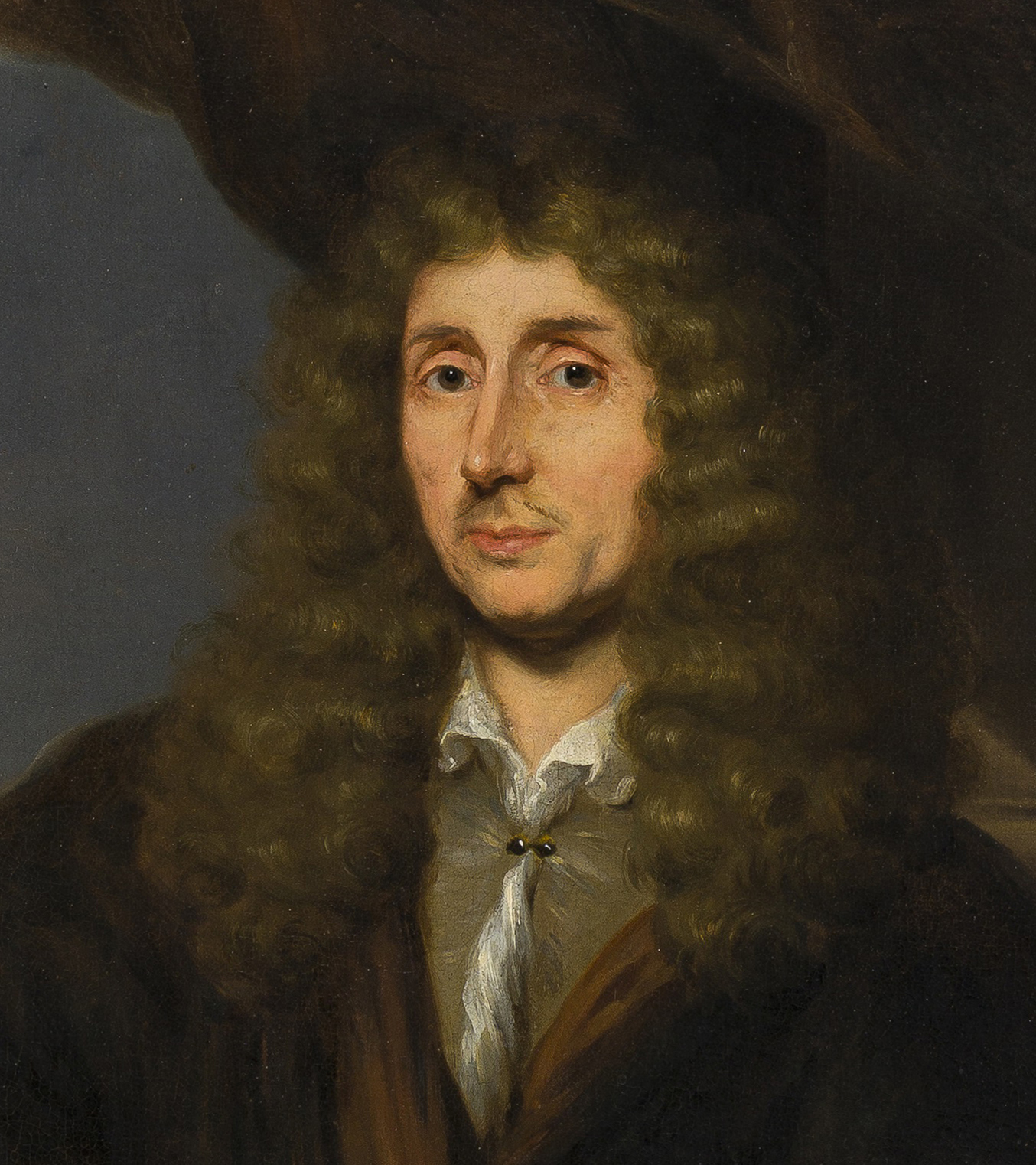
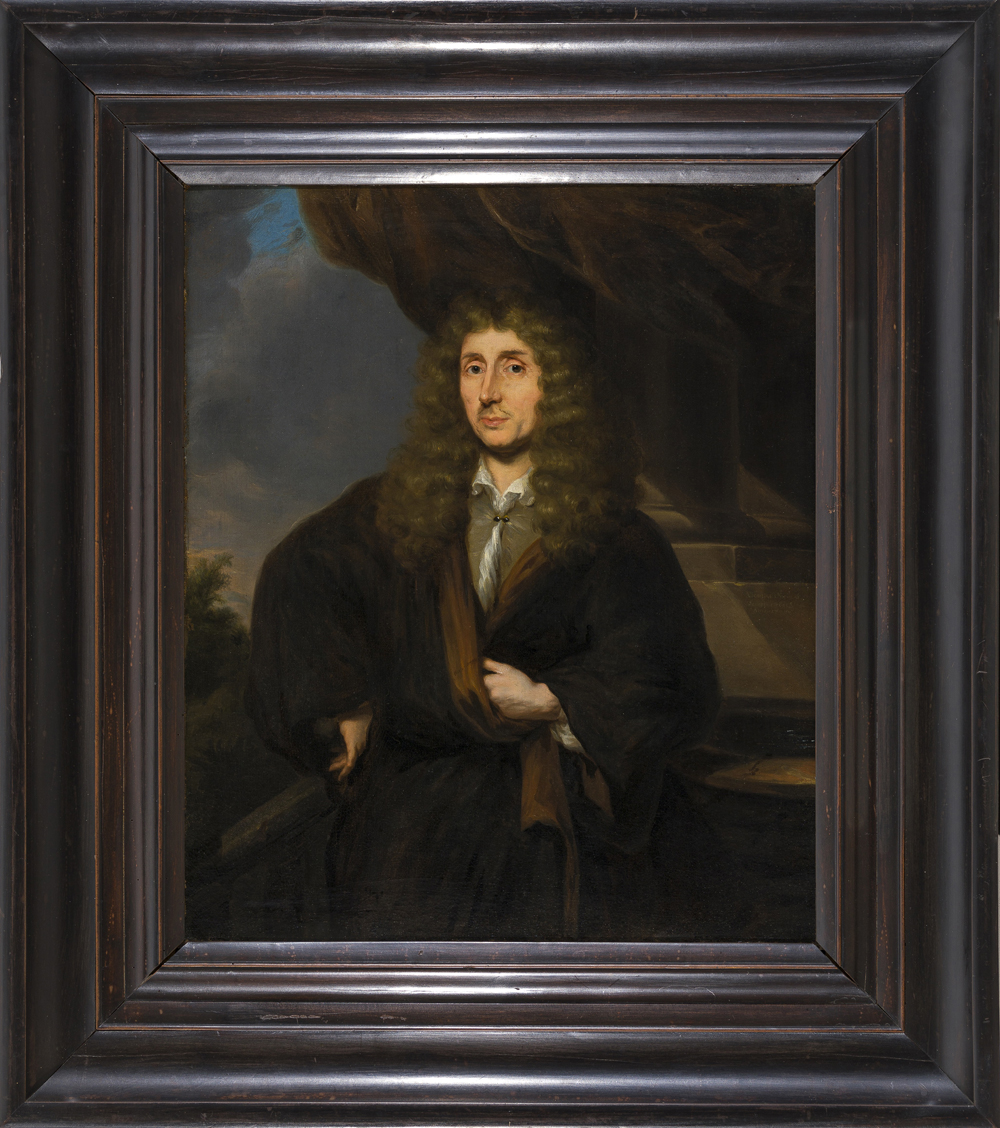
Portrait of Nicolaes Nicolaï (1628–1682), Secretary of Amsterdam
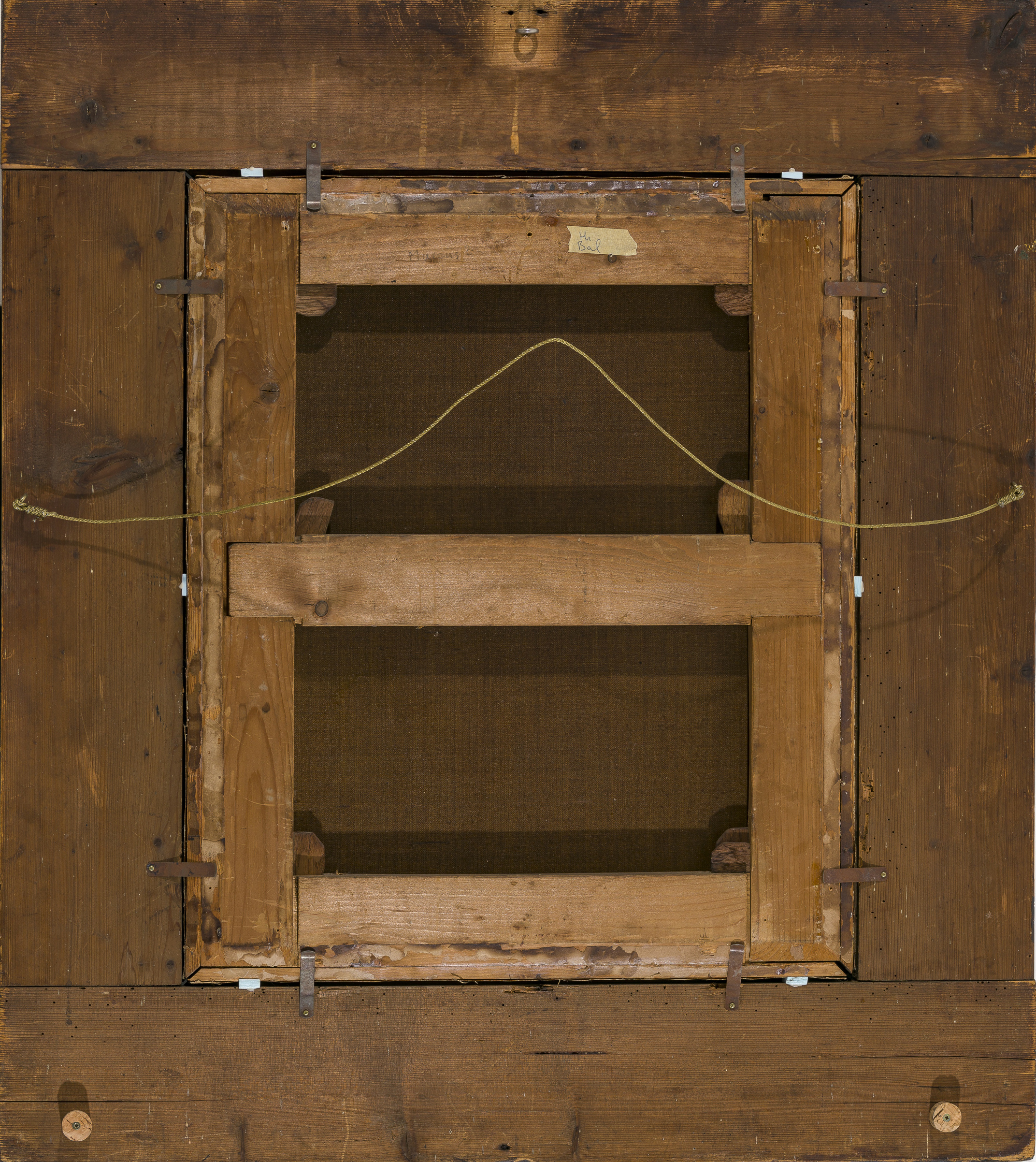
Oil on canvas, 57.5 x 48 cm (22.6 x 18.9 inch); contained in what is possibly the original darkwood frame
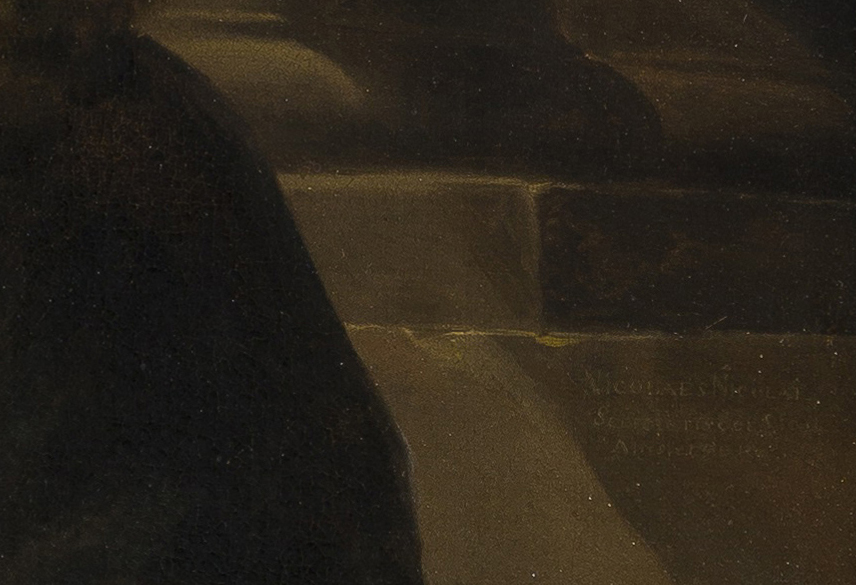
Inscribed ‘Nicolaes Nicolai / Secretaris der Stad / Amsterdam’ (white paint, centre right)
Provenance
Collection Dr J.B. Hubrecht, Doorn, 1959.
***
Before studying painting with Rembrandt van Rijn in Amsterdam, probably between about 1648 and 1653, Nicolaes Maes learned to draw from a local Dordrecht master.1 Subsequently, he returned home to embark on an independent career. By the 1650s he had developed a reputation for painting the intimate life of women and children; his finest pictures capture aspects of Rembrandt’s tenderness and intimacy: Maes’s scenes often include vignettes such as a cat stealing the dinner of an old woman as she prays. About 1660 Maes began specializing in portraits, becoming wildly successful by abandoning his Rembrandtesque style for the bright colours and studied elegance of Flemish artists such as Anthony van Dyck, which he absorbed during a visit to Antwerp, where he also visited Jacob Jordaens. Having established himself as an independent master in Dordrecht after his apprenticeship with Rembrandt, Maes moved back to Amsterdam in 1673 to attract a new clientele, and immediately became hugely successful, receiving one portrait commission after another, his patrons attracted by his elegant international court style.
Arnold Houbraken’s 1719 biography described the transformation: Maes ‘learned the art of painting from Rembrandt but lost that way of painting early, particularly when he took up portraiture and discovered that young ladies preferred white to brown.’2 Houbraken further added the great compliment that he knew of no other painter before or after Maes who was more accomplished in capturing the likenesses of his sitters.3
Another version of this portrait by Maes is known, nearly identical in dimensions, and some differences in the architectural background.4 The sitter, Nicolaes Nicolaï (1628–1682) was ‘Secretaris’ (secretary) of the town of Amsterdam, and many letters by him are still known. He was a cousin of Frans Banninck Cocq (1605–1655), burgomaster of Amsterdam and immortalised for being painted by Rembrandt as the captain in the Nightwatch, the main figure with outstretched hand.5
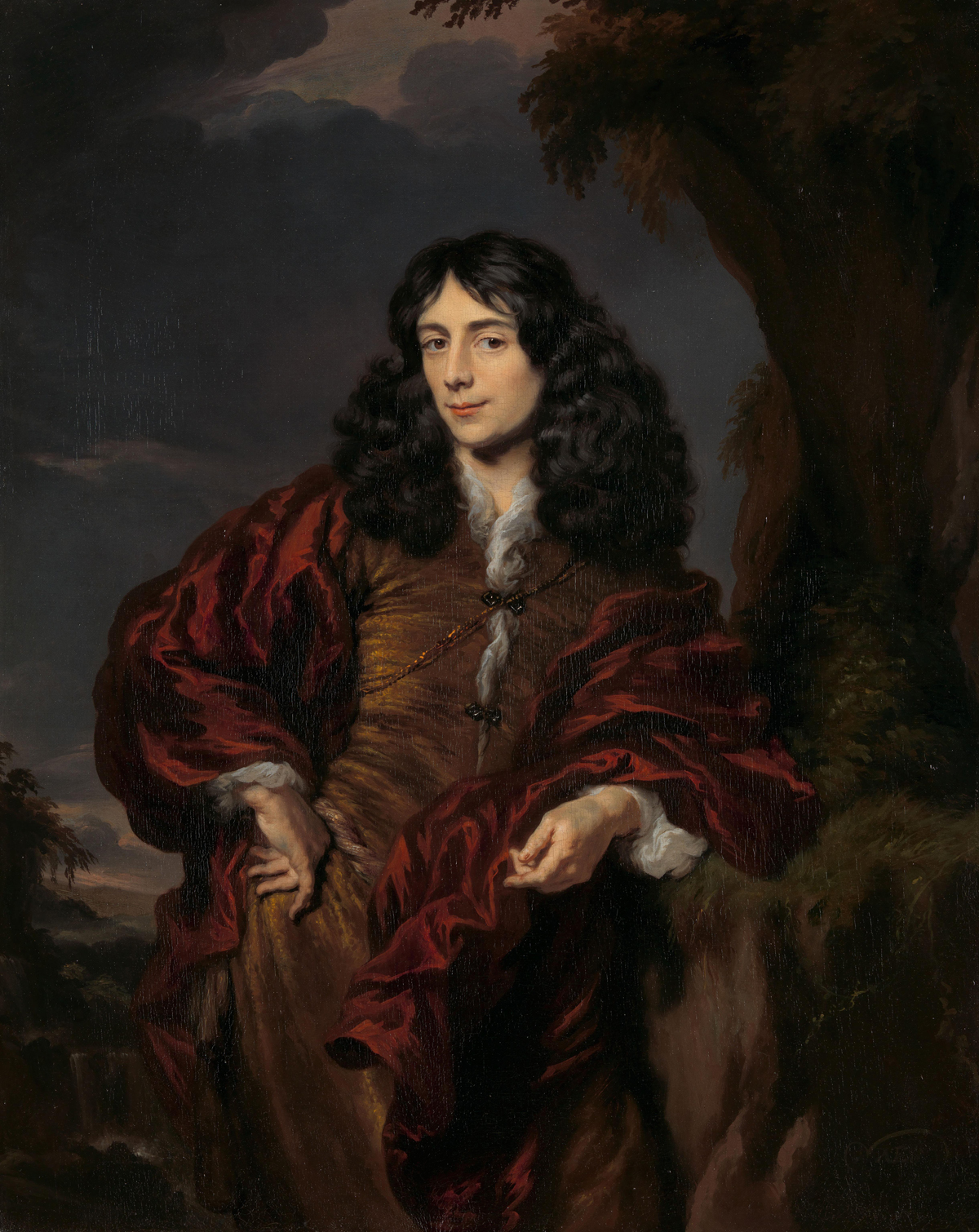
Our painting can for instance be compared to Maes’s portrait of a gentleman (probably Simon van Alphen) in the Rijksmuseum in Amsterdam (fig.).6
1. For the artist, see León Krempel, Studien zu den datierten Gemälden des Nicolaes Maes (1634–1693), Petersberg 2000 and Ariane van Suchtelen et al., Nicolaes Maes, exh. cat. The Hague (Mauritshuis) and London (The National Gallery) 2019.
2. Arnold Houbraken, De groote schouburgh der Nederlantsche konstschilders en schilderessen (…), The Hague 1718-1721, vol. II (1719), pp. 273-74: ‘de Schilderkonst by Rembrant geleert, maar verliet vroeg die wyze van schilderen, te meer toen hy zig tot het schilderen van pourtretten begaf, en wel zag dat inzonderheit de jonge Juffrouwen meer behagen namen in het wit dan in ’t bruin’.
3. Houbraken, loc. cit.: ‘Hy had een vaardig en vleyend penceel ’t geen hem wonder wel diende in ’t schilderen van pourtretten, daar hy zig geheel toe begaf, en ’t geen hem ook zoodanig toegevallen is, dat ik niet weet dat ‘er een Schilder voor of na hem is geweest, die gelukkiger is geweest in ’t wel treffen der gelykenissen van der menschen weezens.’
4. Oil on canvas, 61 x 40.6 cm, Sotheby’s, New York, 11 January 1996, lot 94. This work was identified as a portrait of Benjamin Poulle; what appears to be this portrait was sold on 27 March 2026 at Charlton Hall Galleries, lot 454, sold US$ 18,750)
5. See the correspondence between the ‘neven’ in the Amsterdam Municipal Archives, inv. no. 5059-924. https://archief.amsterdam/inventarissen/file/d35793b8-edd6-0e1b-e053-b784100abd1f
6. Oil on canvas, 71.5 x 57.2 cm, inv. no. SK-A-4881; Krempel, op. cit., no. A 189a, fig. 273.