LUCA CARLEVARIJS (Udine 1663 – 1730 Venice)
Luca Carlevarijs (Udine 1663 – 1730 Venice)
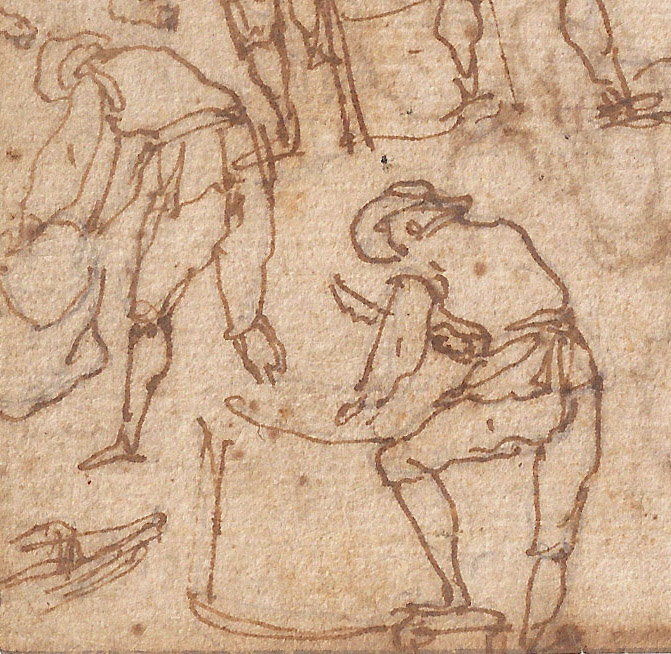
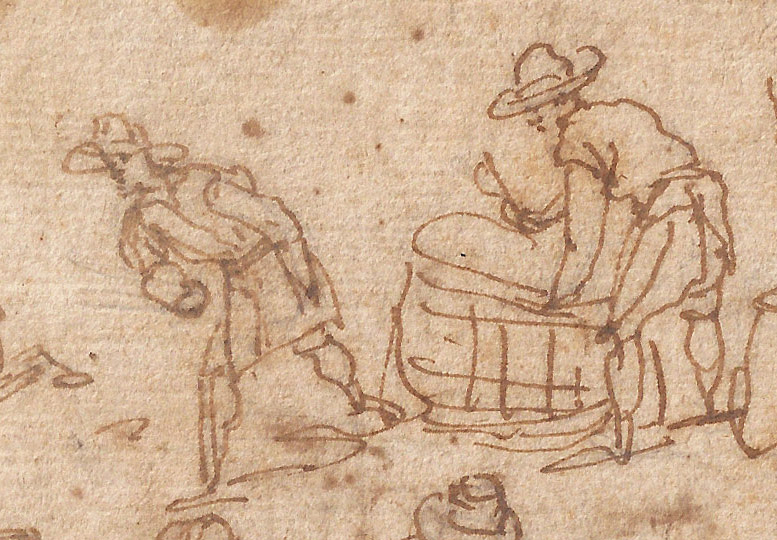
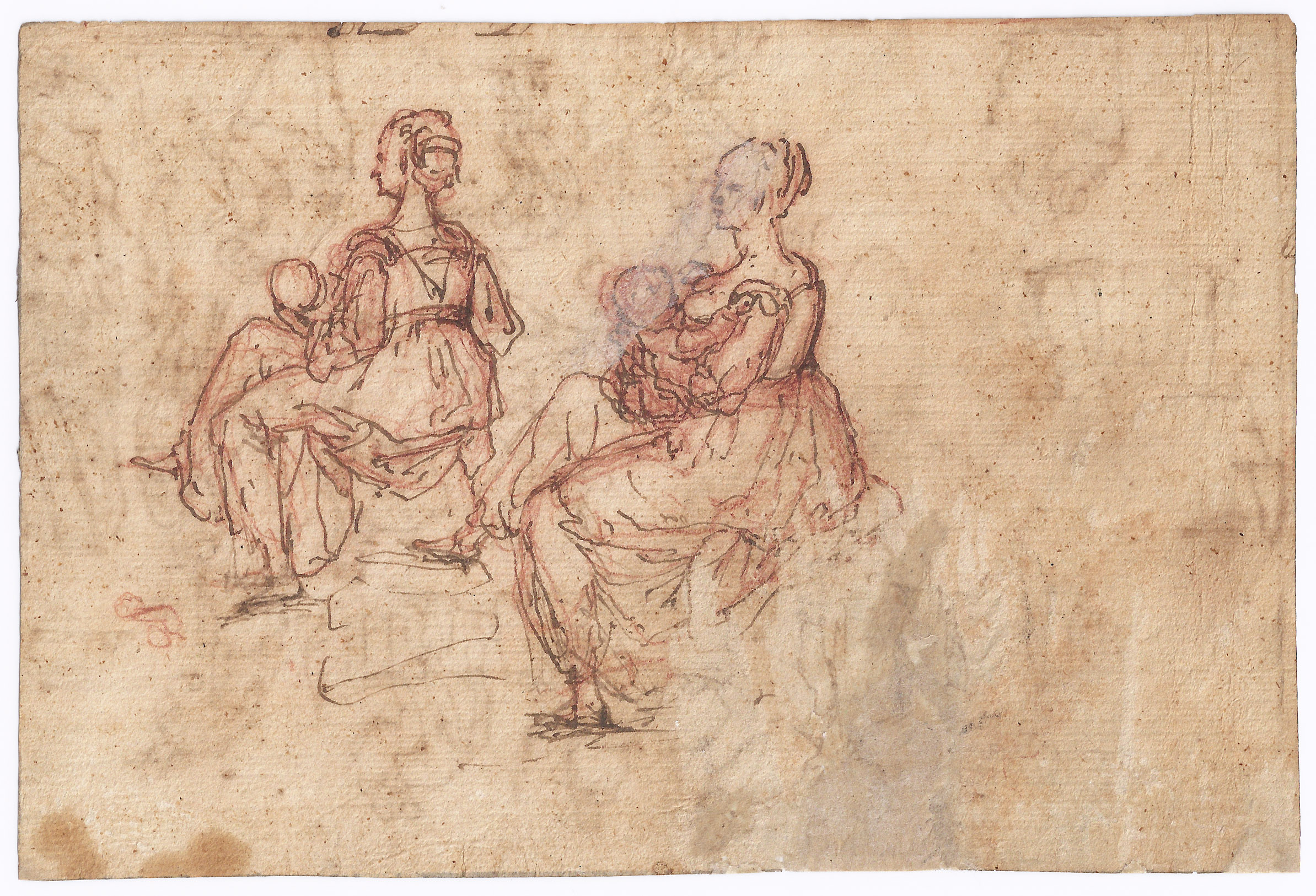
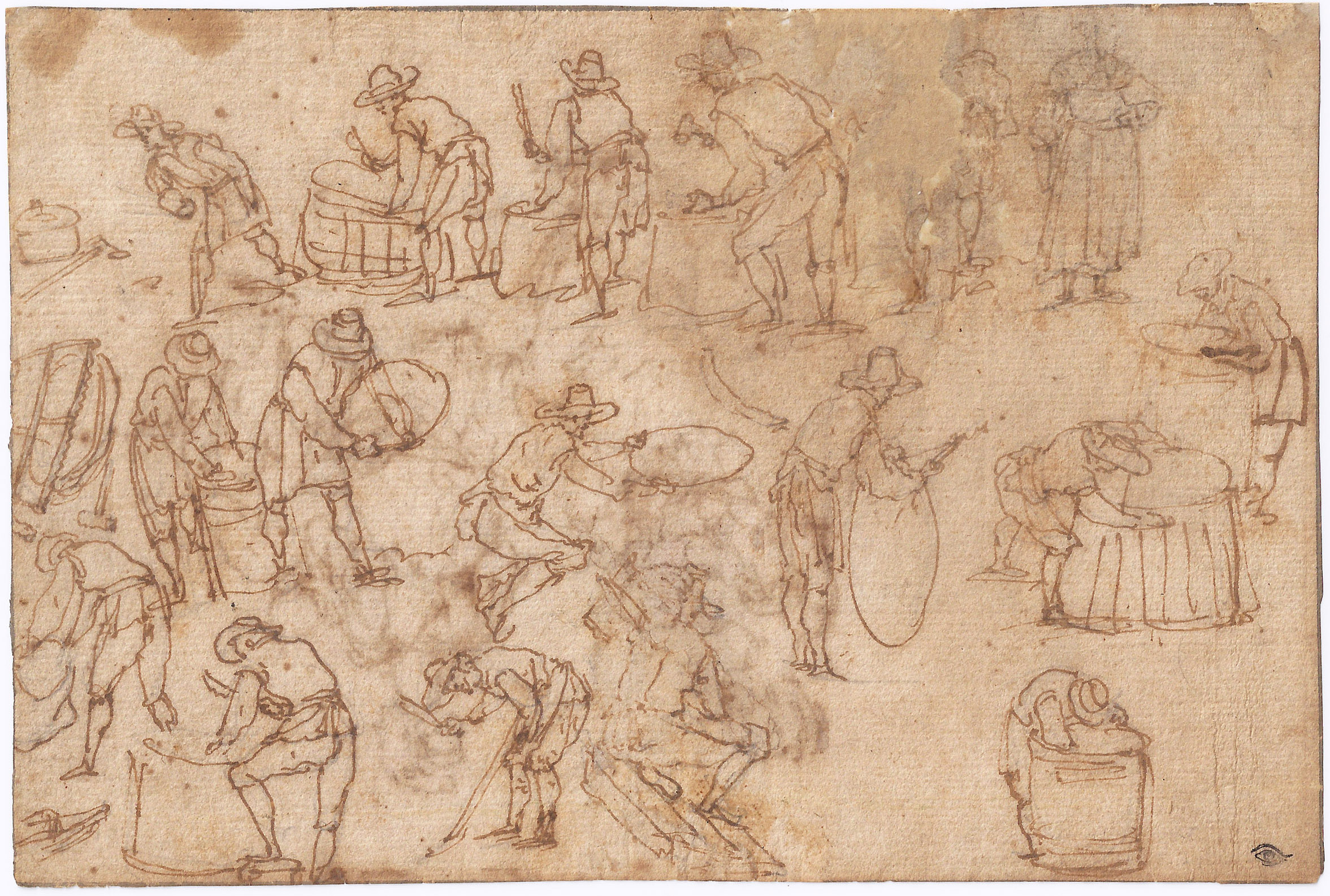
Studies of Barrel Makers (recto); Seated Woman (verso)
Pen and brown ink over traces of black chalk or graphite (recto); red chalk, pen and brown ink (verso), 131 x 195 mm (5.2 x 7.7 inch)
Provenance
~ Nathaniel Hone (1718 – 1784) (Lugt 2793)
~ Private collection, USA
***
Luca Carlevarijs (or Carlevaris) is considered the first artist to have consciously emphasized the importance and grandeur of Venice by depicting it as a centre of international activity, one of the first Venetian Vedute painters or Vedutisti.1 Despite an apparent lack of any formal training, Luca Carlevarijs excelled as a Venetian view painter, and was influenced by the Roman Caspar van Wittel, called Vanvitelli. Carlevarijs began his career in 1703 with the monumental publication of The Buildings and Views of Venice Designed in Perspective and Engraved by Luca Carlevarijs. The illustrations of 104 views of Venice were, at the time, considered “the most complete survey of the fabric of the city ever produced”. Because the publication was considered by many as patriotic, Carlevarijs won favor and patronage from the residents of Venice and was the main painter of Venetian views until around 1720, when Canaletto appeared on the scene.
Carlevarijs documented many diplomatic scenes such as the arrival of dignitaries to Venice, who were customarily greeted with elaborate celebrations in their honor. The paintings were then given to the dignitaries to take home, where they would serve as a type of advertisement for the dramatic and lavish city. Carlevarijs documented Venice with documentary accuracy, drawing on his great knowledge of perspective and architecture, aided by the use of mechanical instruments, such as the camera obscura. Although large pageant paintings were Carlevarijs’s most notable commissions, he also made dynamic drawings and oil sketches of everyday Venetian life, conveying the vivacity of a busy city.
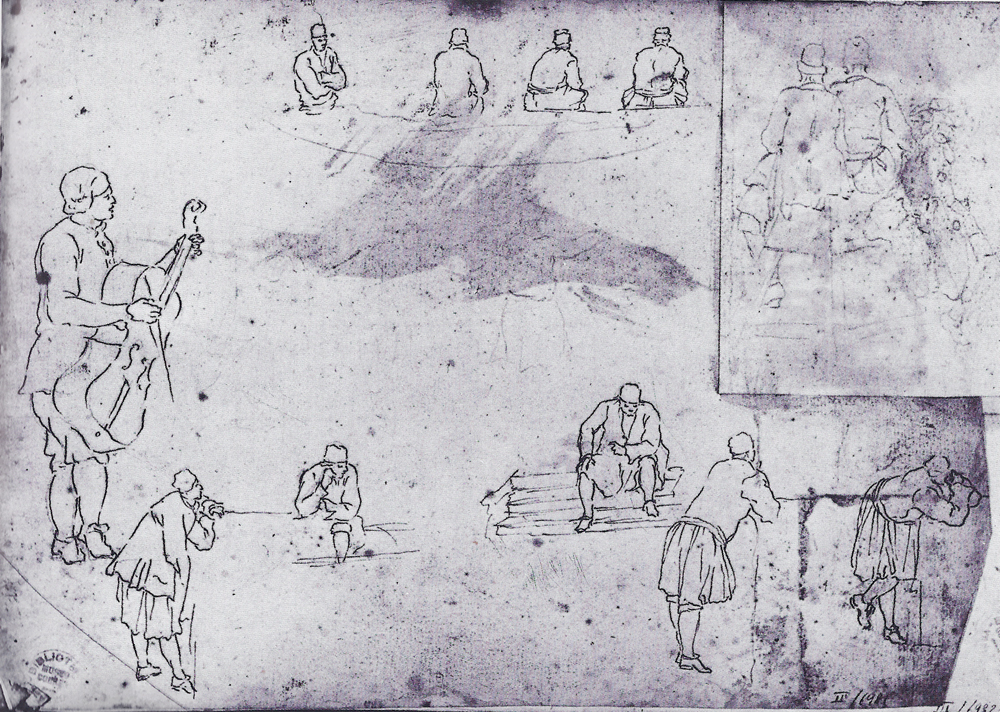
A group of sketches by Carlevarijs is preserved in the Museo Correr, Venice. A sheet depicting a cello player and a group of men in a gondola is comparable to our drawing (fig.).2 Carleverijs is likely to have made many fast and assured sketches such as these, and used them as inspiration for the staffage of his paintings. An album with figure sketches by Carlevarijs is preserved in the Victoria and Albert Museum, London.3
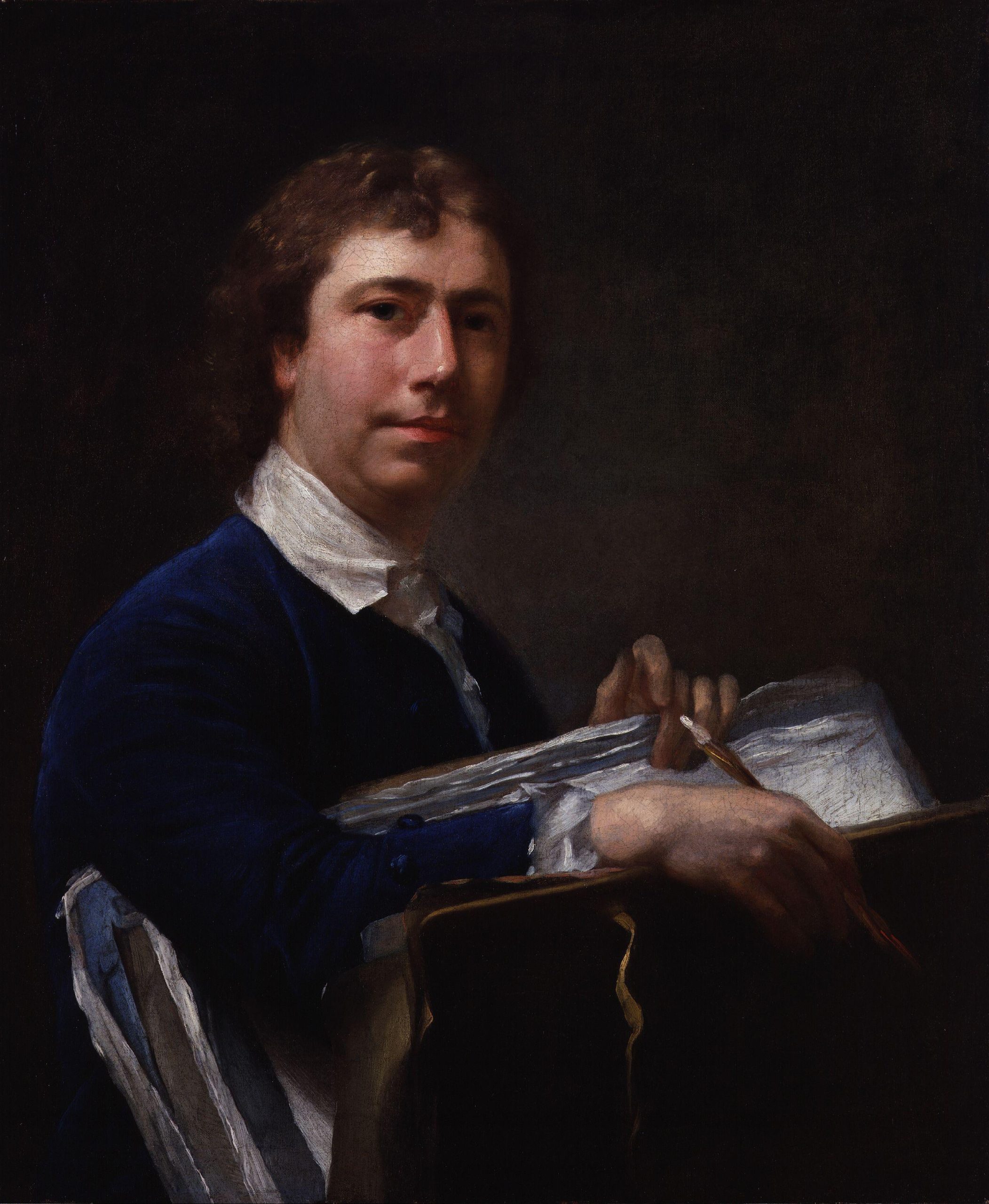
In the eighteenth century the drawing was owned by the Dublin-born portrait painter Nathaniel Hone, who travelled in Italy from 1750 to 1752. He was one of the founders of the Royal Academy. Hone assembled an excellent collection of Dutch and Italian drawings, which was sold 4-7 April 1781 and 7-14 February 1785.
We are grateful to Nicholas Turner for confirming the authorship of Carlevarijs.
SOLD TO A PRIVATE COLLECTOR, BY WHOM DONATED TO THE COURTAULD GALLERY, LONDON
1. For the artist, see Isabella Reale and Dario Succi, Luca Carlevarijs e la vedute veneziana del Settecento, Padua 1994.
2. Black chalk and pen and brown ink, 201 x 275 mm; inv. no. 6981a; Terisio Pignatti (ed.), Disegni antichi del Museo Correr di Venezia. Vol. I (Aliense – Crosato), Venice 1980, p. 139, repr.
3. Entitled ‘Studio Figuratti Diversi’, inv. no. D.1352A/16-1887; Peter Ward Jackson, Italian Drawings, London 1979, vol. II, pp. 124-25, cat. no. 955.